

A whole house for the swing, not a donga.
A whole house for the contract, priced by the week, invoiced to the company.
- Typical stay
- Roster to 12 months
- Shortest booking
- 1 week
- Included
- Bills, furniture, Wi-Fi
Project work does not fit a residential lease. A contract runs six months, a shutdown runs three weeks, a swing brings you into town on a rotation. Camp accommodation covers some of it; the rest gets solved with serviced apartments at nightly rates or a twelve-month lease nobody wants to sign.
A medium-term rental matches the term to the contract. Take a furnished home for the length of the job, price it weekly rather than nightly, and hand it back when the project ends.
For teams, whole homes are usually cheaper per head than separate rooms and considerably better for a crew working the same roster.
Why this is hard to solve
- Contracts do not run twelve months
- A six-month project does not justify a twelve-month lease, and break fees erase the saving.
- Nightly rates over a long job
- Serviced apartments are fine for a week. Across a six-month contract the cost is a different order.
- Camp rooms are not for everyone
- Shared facilities and a single room work for some rosters and not for others, particularly on longer postings.
- Teams get split up
- Booking rooms separately scatters a crew across town and complicates transport to site.
How it usually goes
Four steps, in the order they actually happen.
Match the term to the contract, not to the calendar
A six-month project does not justify a twelve-month lease, and the break fee erases whatever you saved on the weekly rate.
Put the crew in one place
A whole house for a team beats rooms scattered across town: one address, one set of keys, one run to site in the morning.
Run it on one invoice per property
Simpler to code and reconcile than a stack of separate room bookings across several providers.
Hand it back at demob
The term ends when the contract does, with no rollover and nothing to break.
How EzyFlats fits
- Terms from one week to 24 months — match the stay to the contract
- Weekly pricing with bills and Wi-Fi included, so the cost is predictable across a long job
- Whole homes that sleep a crew, often cheaper per head than separate rooms
- Available in regional and resource towns, not just capitals
- Invoices can be issued to a company
What to check before you book
Worth asking of any home you are considering, here or anywhere else.
- How far is it from site and from the airport?
- Both matter on a fly-in roster. The airport run at 4am is the one people forget to check.
- Is there parking for work vehicles?
- Utes, trailers and a crew of them. Street parking is not always a given.
- Is there a laundry, and room to dry workwear?
- Small thing, constant problem on a long swing.
- Does anyone need the house on the off-swing?
- If the place sits empty half the roster, a shorter term or a shared arrangement may cost less than holding it year-round.
- Is the internet good enough for compliance and training?
- Inductions, tickets and timesheets all assume a connection that works.
What it costs, and who usually pays
The unit of comparison is per week per property rather than per night per room. On a crew of four across a six-month contract, that distinction is usually the whole argument — serviced apartments are priced for a week away, not for a project.
Homes are furnished with electricity, gas, water and Wi-Fi in the weekly rate, so there is nothing to connect at mobilisation and nothing to disconnect at demob.
Furnished homes available now
View all 97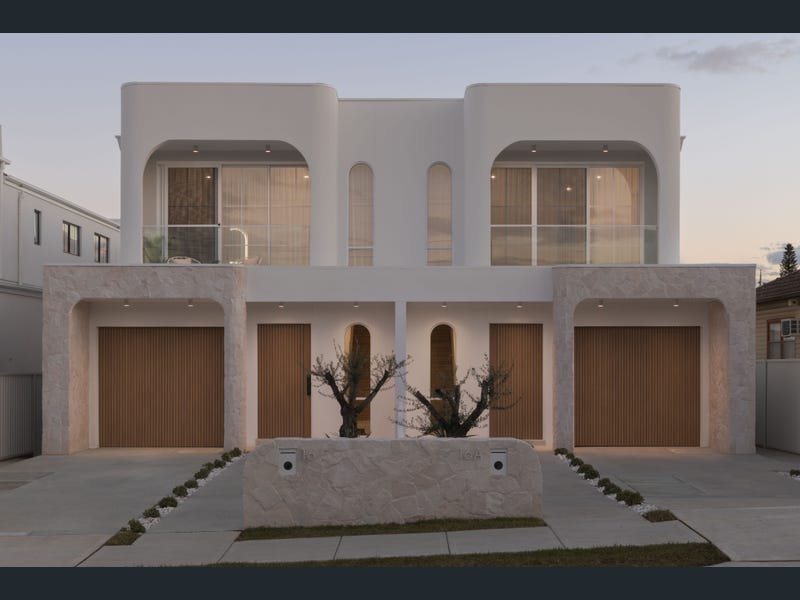
Architectural Elegance Meets Contemporary Family Luxury — 5-Bed Merrylands Residence
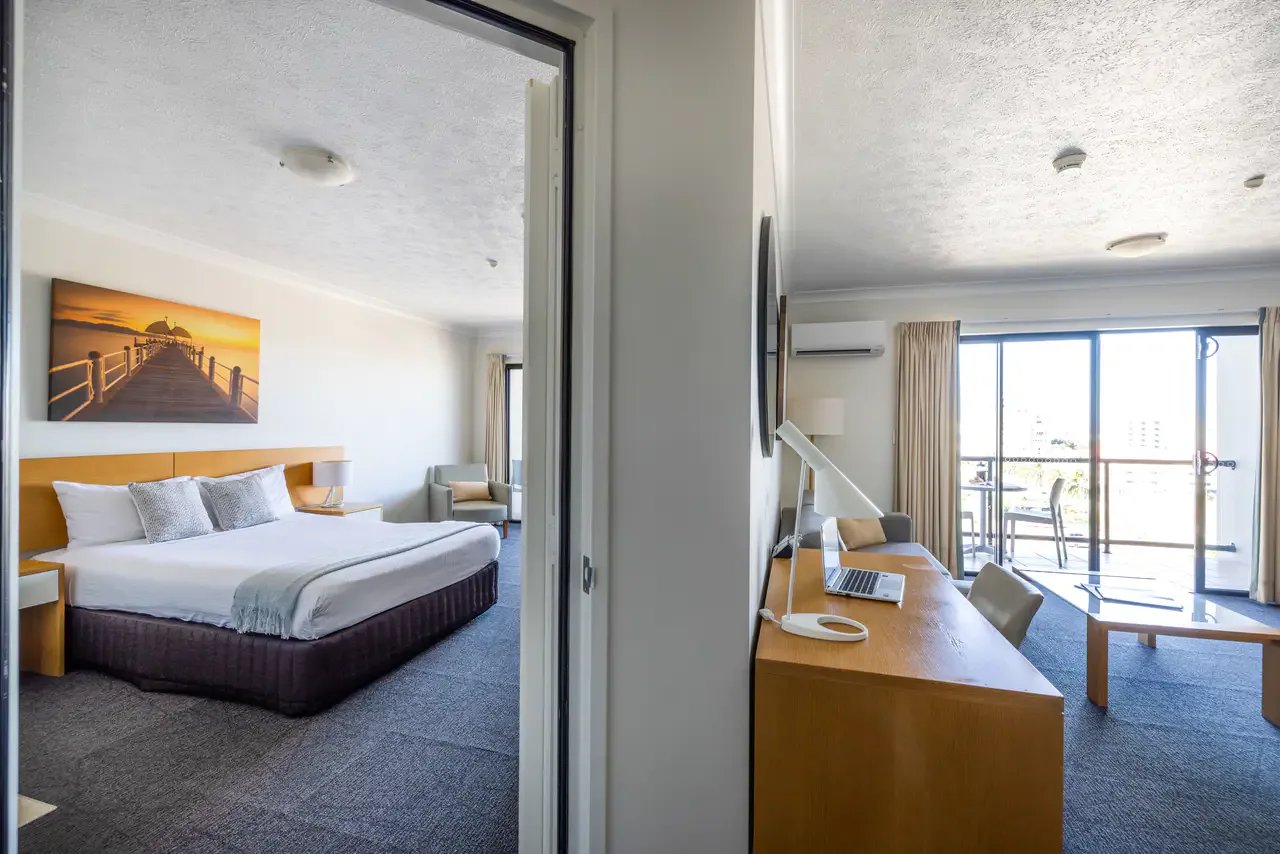
One-Bedroom Apartment — Townsville | Panoramic Water Views, Full Kitchen
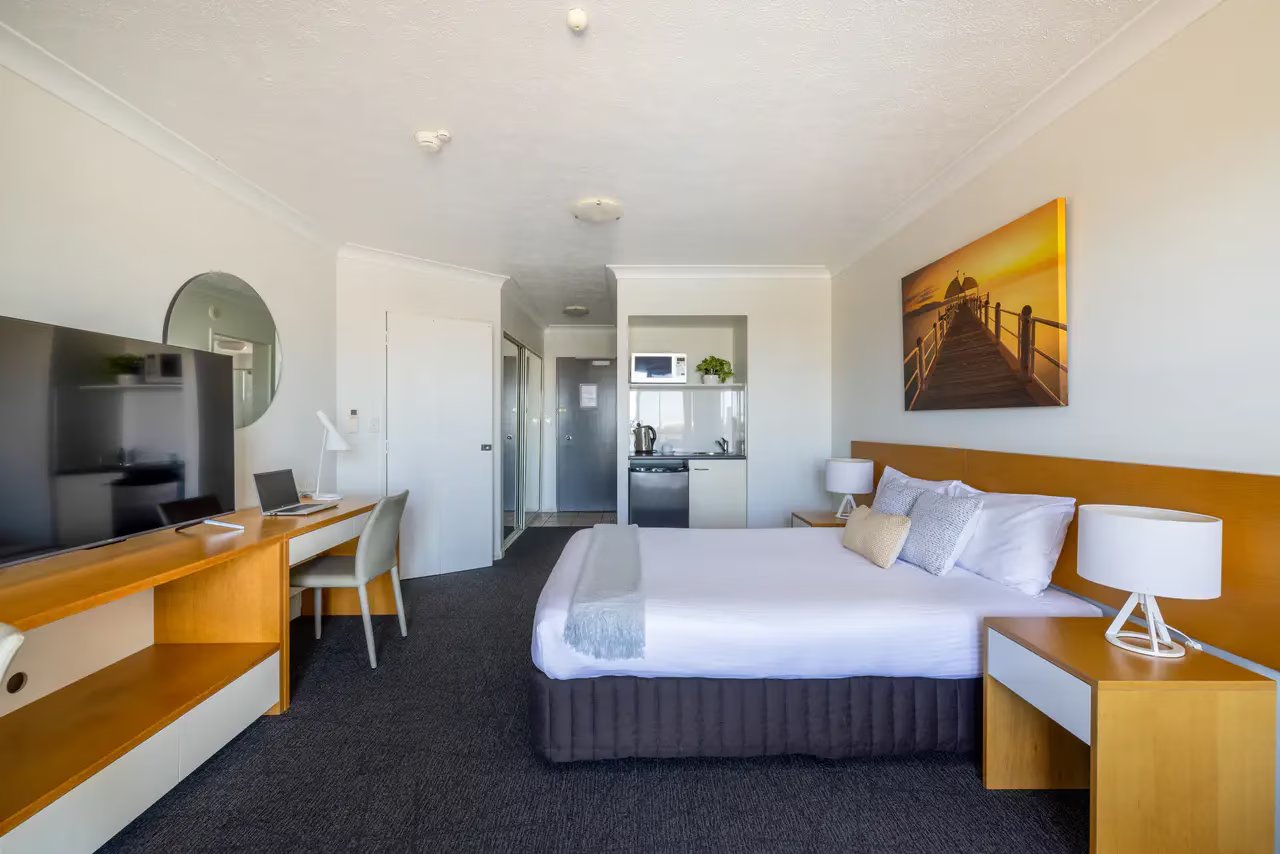
Studio Apartment — Townsville | Panoramic Views, Kitchenette
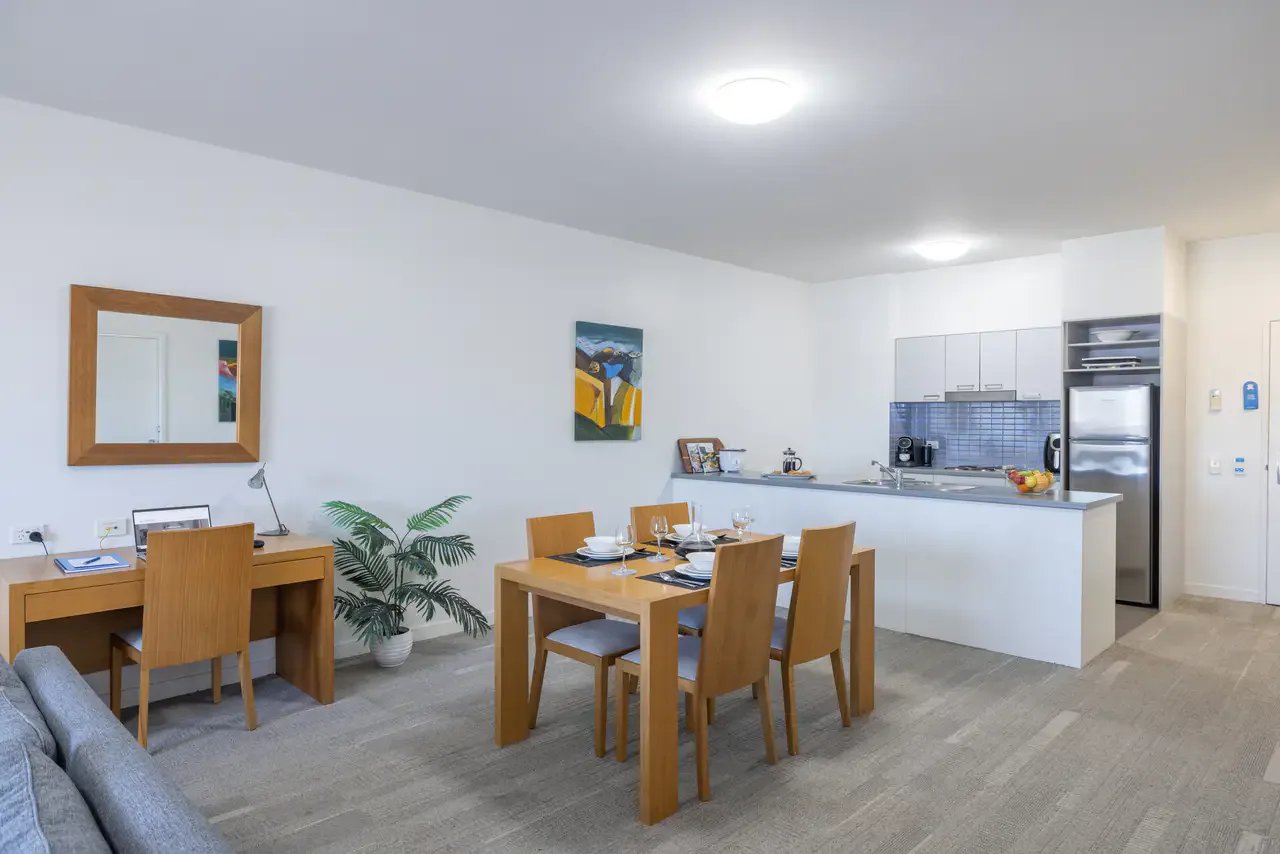
Two-Bedroom Apartment — Mackay | 2 Bathrooms, Full Kitchen, Sleeps 4
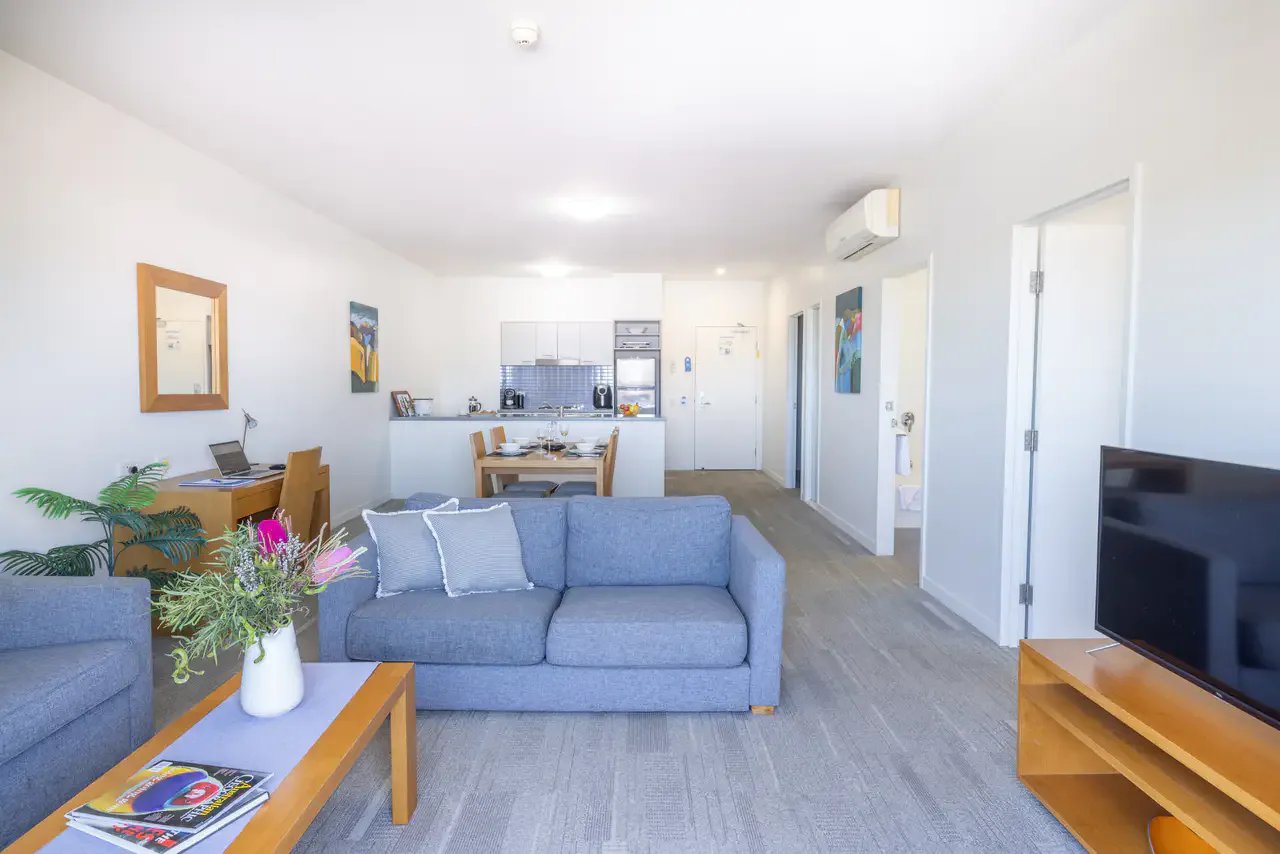
Two Bedroom Accessible Apartment — Mackay | Wheelchair Accessible, Full Kitchen, Sleeps 5
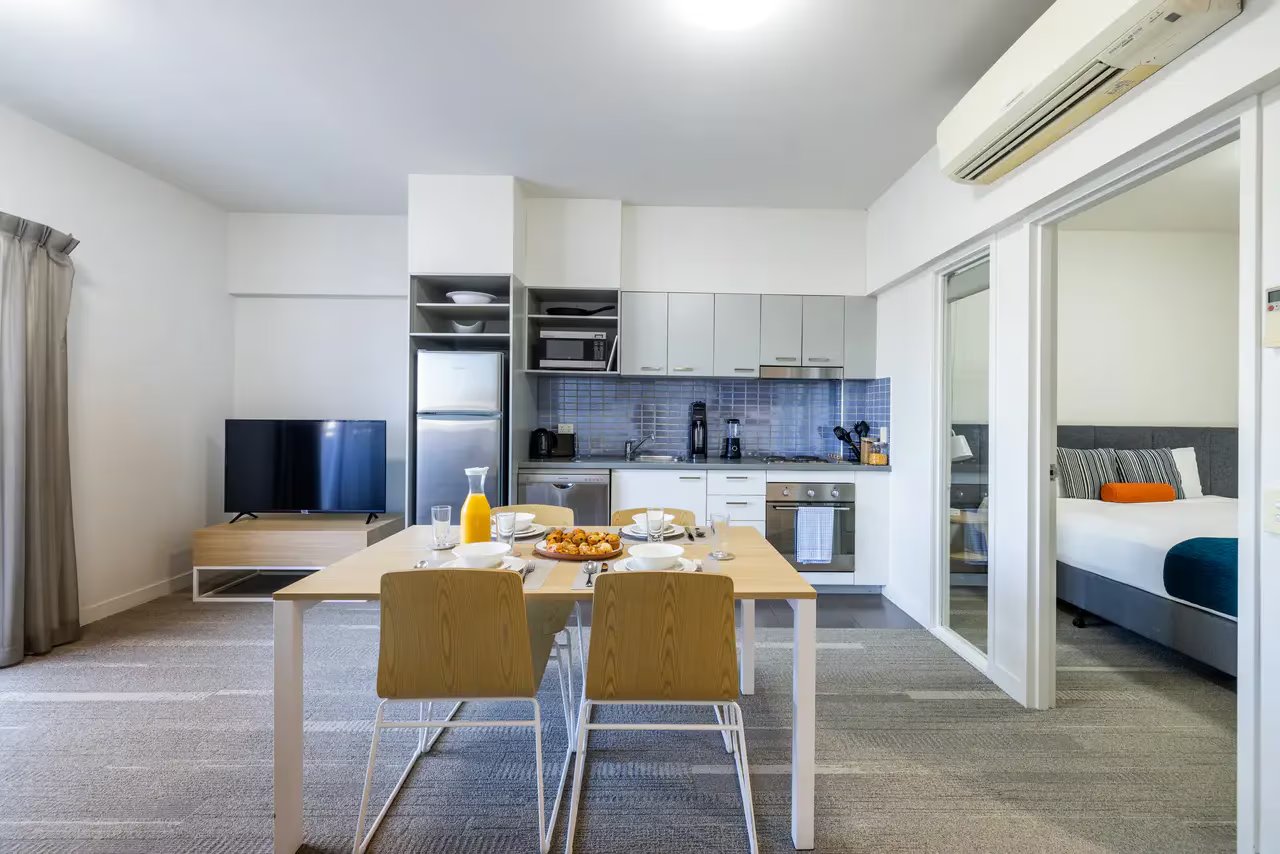
One-Bedroom Apartment — Mackay | Full Kitchen, Living Room, Sleeps 2
Common questions
Can a company book and pay?
Yes. Invoices can be issued to a company for the accommodation.
Do you have homes in regional and mining towns?
Coverage spans capitals, regional centres and resource towns. If a town has nothing listed yet, the nearest available homes in that state are shown.
Can the whole crew stay together?
Filter by bedrooms and guest capacity to find a home that takes the full team.
What about a roster with weeks away?
Because the home is taken for the term rather than per night, it stays yours across the swing — your gear stays put.
Other situations we house
Closely related, and often the better fit.
Browse by city
Medium-term furnished homes across Australia.